By Dave Spencer – Business Development Manager at Alliance Leisure
At Alliance Leisure, we work with local authorities every day to help translate ambitious wellbeing strategies into leisure centres that genuinely welcome everyone. For our clients, accessibility and inclusivity aren’t “add-ons” to be checked at the end of a project, they’re fundamental to delivering public value: increasing participation, reducing health inequalities and ensuring facilities work for the full diversity of local communities.
Effective accessibility begins at the concept stage, guided by both legal frameworks and real user experience. While regulations such as the Equality Act and Approved Document M set essential standards, successful design goes further - creating environments that are dignified and easy to use. Early planning is critical, including engaging stakeholders, consulting disability groups and mapping the full user journey from arrival to departure. Designing inclusively from the start avoids costly retrofits and ensures accessibility features are not lost during later project stages.
True inclusion focuses on participation, not just access. It considers how different users experience a space - whether that’s wheelchair users navigating busy areas, visually impaired visitors finding their way, or neurodiverse individuals managing sensory environments. Research shows most people check accessibility information before visiting a venue, highlighting the importance of both physical and digital inclusivity.
The user experience begins with arrival. Step-free access, clear wayfinding, adequate lighting and well-designed drop-off points are essential. If entering a facility is difficult, participation may end before it begins.
Inside, reception and circulation areas must accommodate high footfall and complex movement patterns. Clear signage, logical layouts and sufficient space for wheelchair users are vital. Features such as automatic doors, accessible reception desks, hearing loops and appropriately sized lifts ensure smooth navigation for all users.
Accessibility must, of course, also extend into activity spaces. Gyms and studios should allow for clear movement, adaptable equipment and flexible layouts. Quiet or decompression rooms can significantly improve experiences for neurodiverse users, demonstrating that accessibility is not only physical but also sensory.
Changing facilities are often the most critical factor in enabling participation. Well-designed spaces should prioritise dignity and independence, with features such as accessible showers, Changing Places toilets, hoists and adjustable benches.
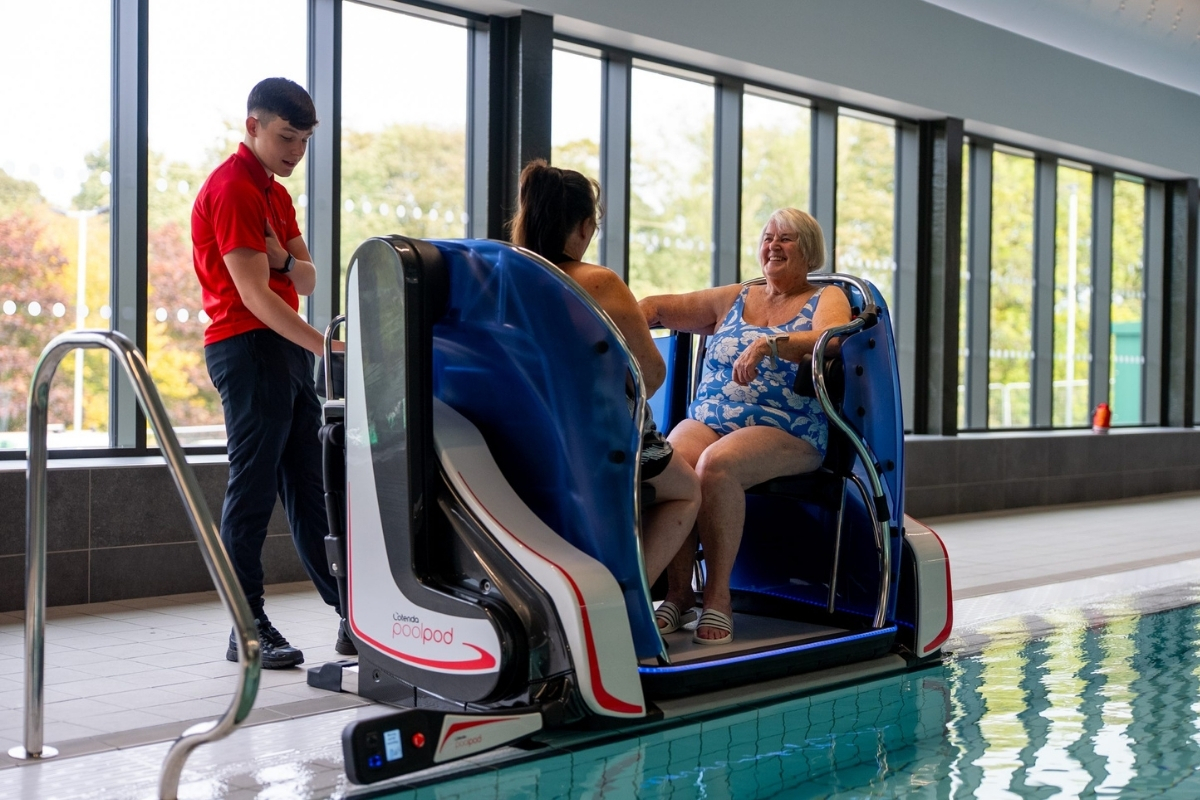
In wet areas, slip-resistant flooring, clear circulation and accessible pool entry systems are essential. In November 2025, members of the Accessibility Advocate Group were invited to tour the new Cath Thom Leisure Centre. Overall, the group had a highly positive experience and praised the centre’s inclusive approach. Feedback from users included - “I felt less disabled – I could enter the pool the same way as others.”
Social and spectator areas should also be inclusive, offering varied seating, accessible viewing positions and integrated wheelchair spaces. Accessibility must extend to all aspects of the visitor experience, including cafés and event facilities.
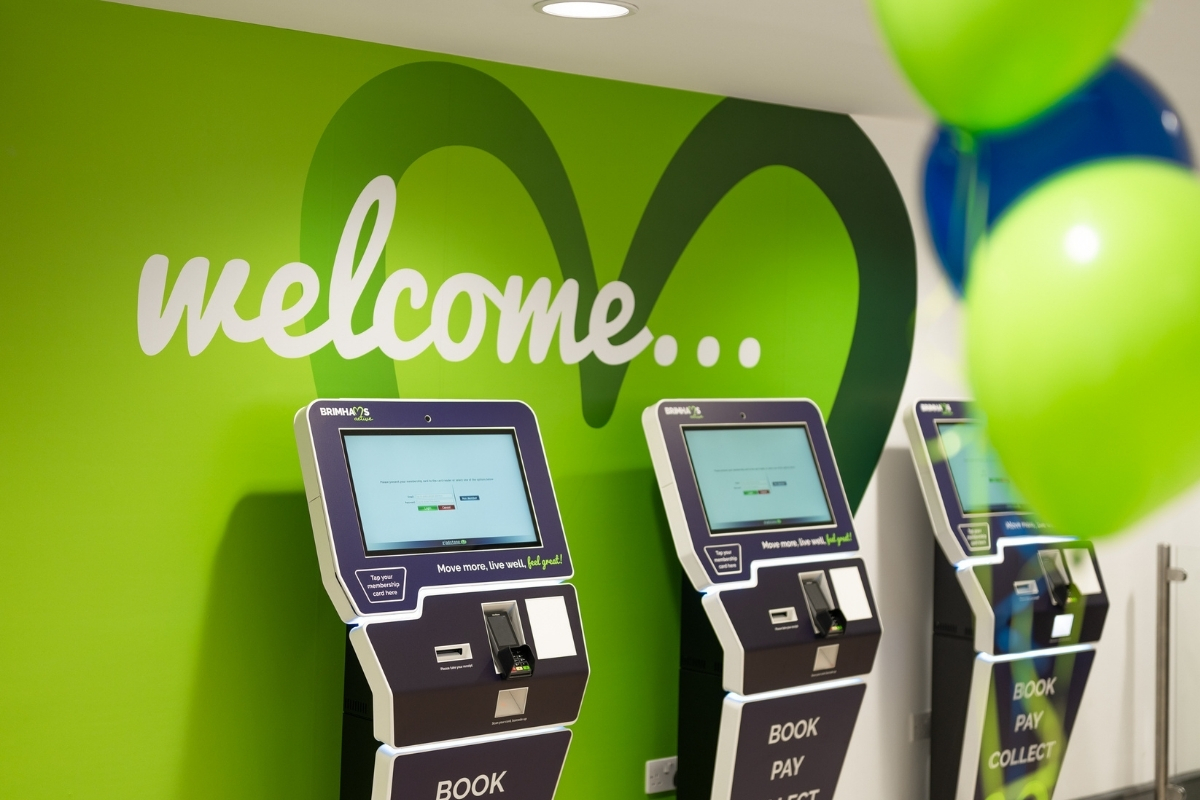
Digital accessibility is increasingly important. Booking systems, websites and self-service kiosks should be usable by everyone, supported by clear audio-visual communication systems and assistive technologies.
During construction, attention to detail is crucial. Small changes can significantly impact usability, so accessibility features must be protected from value engineering and tested before completion.
Finally, accessibility continues into operation. Staff training, inclusive programming, proper equipment maintenance and ongoing user feedback are essential to ensure facilities remain welcoming and functional.
Ultimately, accessible leisure facilities are long-term community assets. When inclusion is designed in early, protected through delivery and championed by operational teams, sport and leisure facilities become what they are intended to be: places where everyone can participate, belong and thrive.
Find out more about how Alliance Leisure work\ here