

Designing for heavy use and high humidity
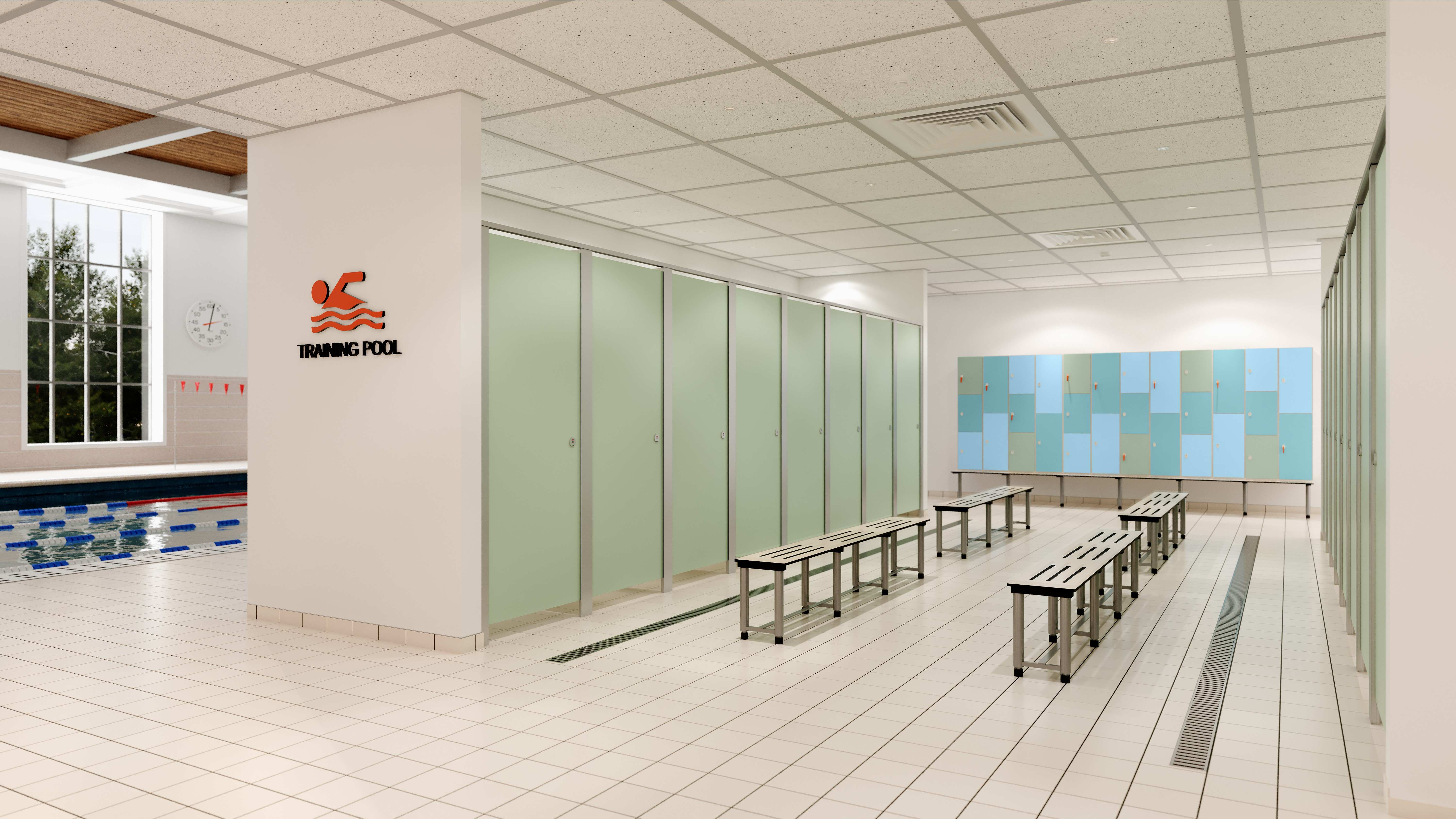
Leisure facilities place extreme demands on washrooms and changing areas. Swimming pools, spas, gyms, and sports centres combine high volumes of users, wet and humid conditions, and constant movement. Poor specification can quickly lead to rapid wear, hygiene issues, and unplanned maintenance.
Choosing the right materials for wet and dry areas
Material selection is critical in leisure environments. Wet areas such as poolside changing rooms and showers require materials that are fully impervious to water and resistant to corrosion. Solid Grade Laminate is widely specified for cubicles, lockers, and benching in these areas due to its total water resistance, durability, and ease of cleaning. Materials must also withstand frequent cleaning and daily use, while resisting.
Factory-manufactured and pre-plumbed systems are increasingly specified to reduce on-site labour and improve quality control. In many projects, this can cut installation time by up to 50%, helping limit disruption and provide greater certainty on delivery, which is particularly valuable for live leisure environments.
Durability, safety, and vandal resistance
Leisure washrooms and changing areas are used intensively, particularly at peak times. Cubicles, lockers, and benching are regularly subjected to rough treatment with knocks from bags, equipment, and doors as users move quickly through the space.
Robust construction, secure fixings, and impact-resistant materials are essential. Furniture should be designed for strength and safety, with rounded edges and stable fixings. This helps reduce damage, minimise repairs, and extend the life of the facility.
Accessibility and inclusive provision
Washrooms and changing areas should provide suitable accessible provision, including wheelchair-accessible changing spaces, DDA-compliant lockers, and family changing areas where appropriate.
Guidance from bodies such as Sport England, alongside Approved Documents M and T, helps inform requirements for cubicle sizes, quantities, lockers, and benching based on user numbers and facility type. Sector guidance from organisations such as the RFU and FA can also influence layout and provision in sports facilities.
bacteria and mould. Smooth, non-porous surfaces help support hygiene standards and simplify cleaning regimes.
Dry areas, including reception spaces, staff facilities, and dry changing rooms, allow for a wider range of finishes. High-pressure laminate and decorative finishes can be used without compromising durability, helping operators achieve a consistent look across the facility.
Specifiers increasingly look for systems that allow visual consistency between wet and dry areas, while still meeting different performance requirements.
Managing services with IPS panelling systems
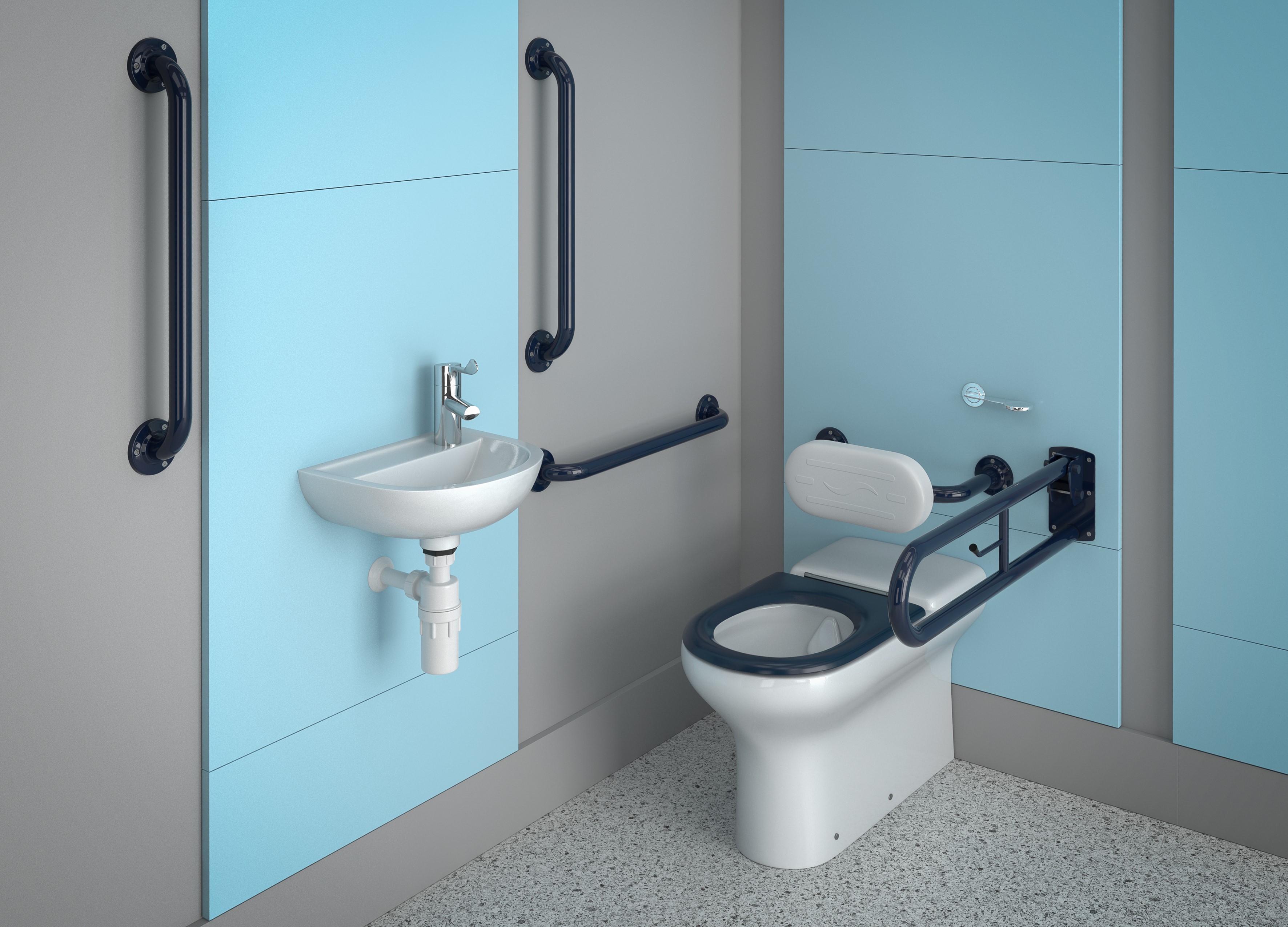
Concealed services play an important role in hygiene and maintenance. Panelling systems are commonly used to hide pipework and services. They create smooth surfaces that are easy to clean and still allow access for inspection and repair. Maintenance often needs to be carried out quickly, sometimes during opening hours. Systems that incorporate secure access panels or pre-plumbed assemblies can reduce downtime and help facilities stay operational.
Reducing installation time and disruption
Refurbishment is a major trend across the leisure sector. Many facilities need to upgrade washrooms and changing areas while keeping closures to a minimum.
Sustainability supported by evidence
Leisure operators are under growing pressure to meet sustainability targets, but specifiers need clear data to support decisions. Products backed by environmental certifications, water efficiency data, and responsible sourcing information are increasingly important.
Durable systems with replaceable parts also support whole-life value, reducing the need for early replacement and ongoing waste.
According to Iain Hodd, Leisure Business Development Manager at Venesta, early specification decisions make a significant difference.“Leisure facilities need systems that can cope with moisture, heavy use, and frequent cleaning. When wet and dry areas are specified correctly from the outset, it reduces maintenance issues and helps facilities perform better over time.”
For further information on specifying washrooms, cubicles, panelling, lockers, and benching for leisure facilities, visit venesta.co.uk
