For years, stair climbing has quietly remained one of the most effective forms of cardiovascular training in gyms across the UK. Not because it’s trendy, or because it promises shortcuts — but because it works. It challenges the heart, builds lower-body strength, and asks something different of the body than steady-state cardio alone.
For many gym members, stair climbing sits in that sweet spot between intensity and accessibility. It’s familiar enough not to intimidate, yet demanding enough to feel purposeful. Whether it’s a quick conditioning finisher, a structured interval session, or a steady climb to build work capacity, it adapts easily to different abilities and energy levels — something increasingly important in UK gyms catering to broad member demographics.
One of the key reasons the 10G resonates so well with both trainers and members is how it allows people to train with intent. The inclusion of OverDrive training is a good example of this. Rather than simply increasing speed, OverDrive introduces additional resistance, asking the user to actively push against the machine as they climb. The result feels less like passive cardio and more like a full-body effort — engaging the legs, glutes, and core while elevating heart rate quickly.
From a coaching perspective, that opens up more possibilities. It allows stair climbing to support strength-focused conditioning, athletic development, and functional training goals, rather than sitting purely in the “cardio corner”. From a member’s point of view, it simply feels more rewarding — every step has purpose, and effort translates clearly into fatigue and progress.
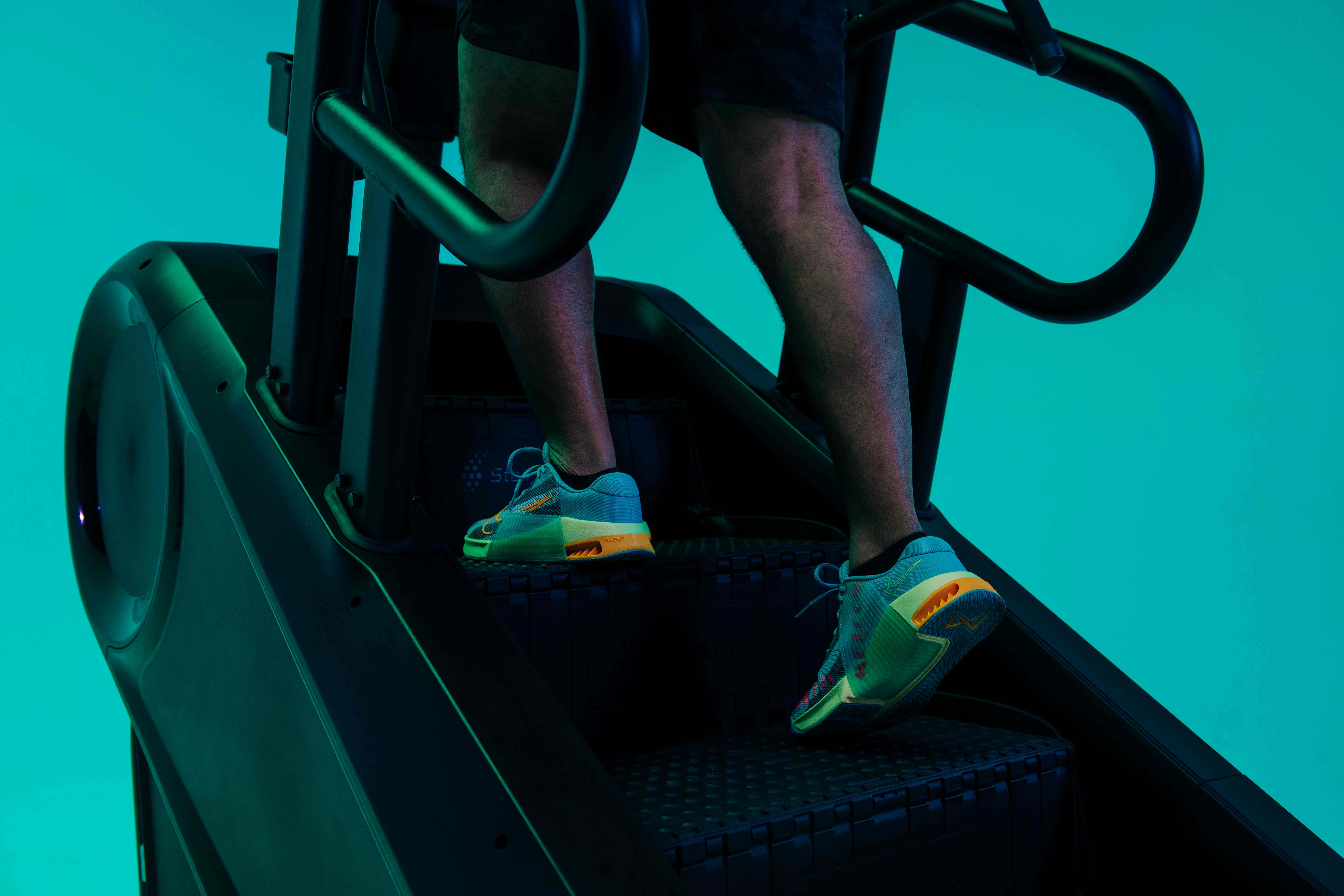
Comfort and confidence also play a role in why people keep coming back. The 10G’s deeper, wider steps provide a stable platform, which matters not just for safety, but for mindset. Members are more likely to push themselves when they feel secure underfoot, especially during harder efforts or longer sessions. The lower step-up height also helps reduce apprehension for newer users, making stair climbing feel approachable rather than daunting.
In UK gyms, where retention is often driven by how supported members feel rather than how hard they’re pushed, these details matter. Equipment that quietly removes barriers — whether physical or psychological — tends to stay in use longer and deliver better long-term results.
There’s also something refreshingly honest about stair climbing. It doesn’t rely on complex choreography or gimmicks. Progress is clear: you climb longer, you push harder, you recover faster. Members feel fitter in their everyday lives — walking hills more comfortably, moving with more confidence, and noticing strength gains that carry beyond the gym floor.
That sense of real-world transfer is increasingly important. Many members aren’t chasing extremes; they want training that supports how they live, work, and move. Stair climbing answers that need in a way that feels grounded and sustainable.
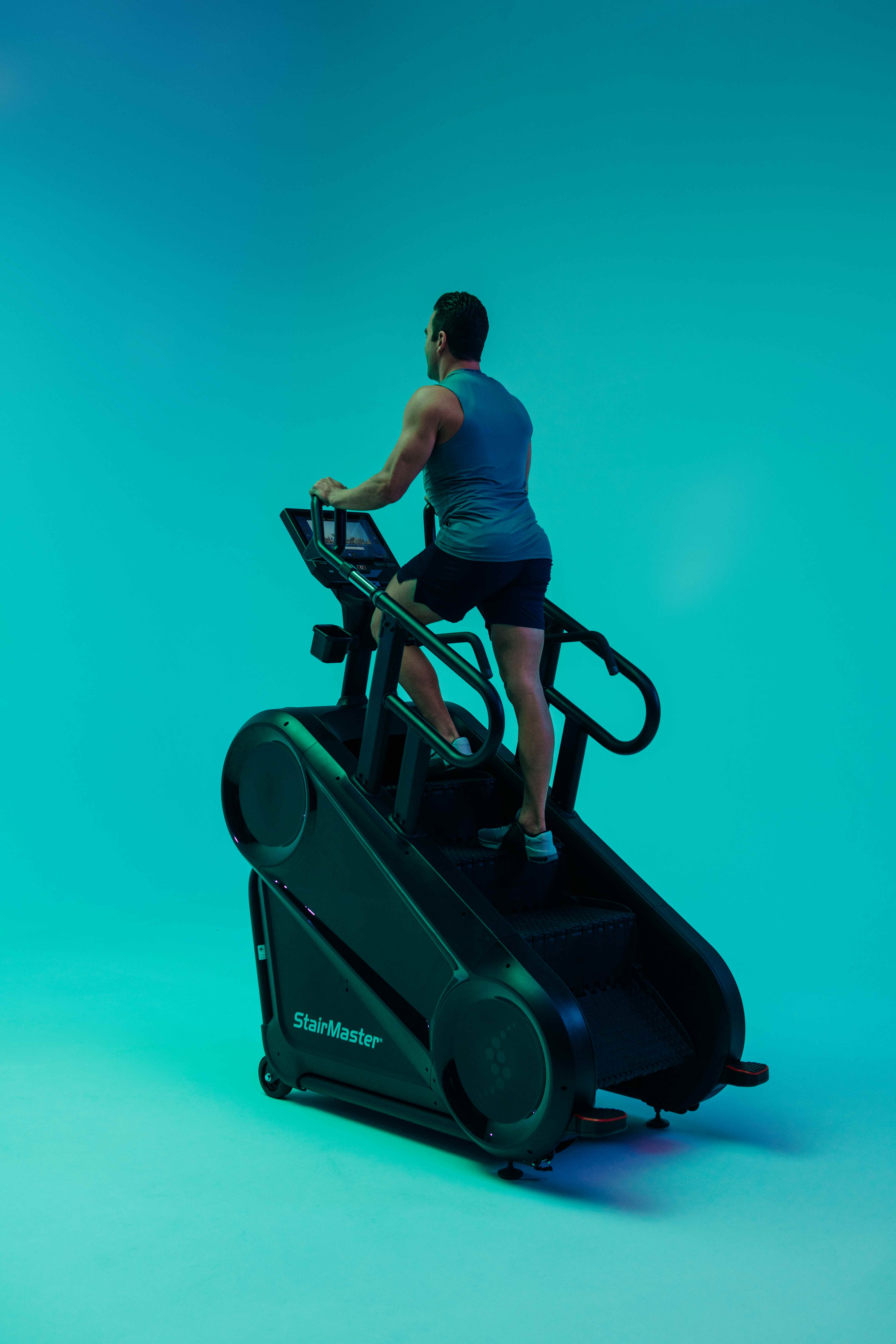
The StairMaster 10G fits into this landscape not as a statement piece, but as a dependable workhorse — one that supports varied programming, respects different ability levels, and keeps people engaged without shouting for attention. It’s equipment that earns its place simply by being used.
In a fitness environment where trends come and go, there’s something reassuring about tools that continue to deliver results through consistency, quality movement, and thoughtful design. Stair climbing has always been part of that story — and for many UK gyms, it still is.
CTA: Find out moreTo explore the StairMaster 10G in more detail, including training features and how it’s being used in modern gym environments — visit https://shop.corehandf.com/products/stairmaster-10g-1